


Sheytoon
3.9229.00 Reviews
App Specs
- Version
- 6.7
- Updated On
- License
- Free
- Downloads
- 100,000+
- Developer
- Sheytoon Inc
- Categories
- Lifestyle
- Platform
- Android
Screenshots
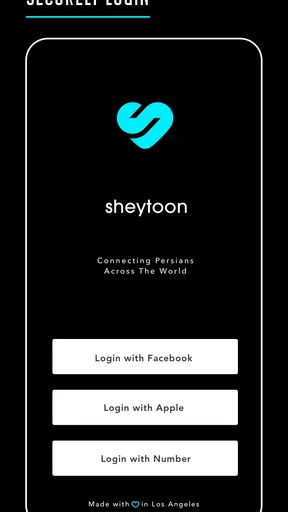


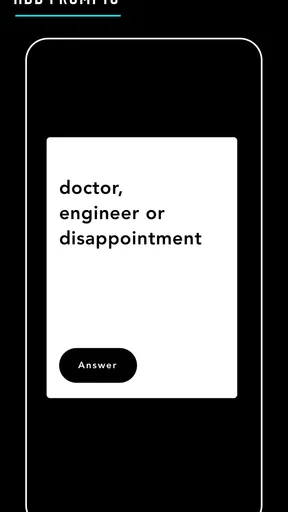

 Analysis by AppCompare
When I first opened Sheytoon, I understood its appeal quickly: it is a lifestyle app built around helping Persians meet, chat, and form relationships across different places. That focus makes it feel more personal than a general social network, especially if you want conversations connected to Persian culture rather than having to explain your background from the beginning.
The important question, though, is not whether the app is interesting during the first few days. Most social apps can create that initial spark. The real test is whether the people, conversations, and discovery tools give me a reason to return after the novelty wears off. My experience is that Sheytoon can become useful for the right audience, but it asks for patience and active participation. It is not the kind of app I would install, complete a profile, and expect to work without regular attention.
What the first week feels like
Sheytoon is developed by Sheytoon Inc and sits in the lifestyle category, although its practical role is closer to a Persian-focused social and relationship community. The store summary presents it as a place for building friendships and relationships around the world for Persians. That identity is its strongest point. A broad dating service may offer a much larger pool, but it usually treats cultural background as one filter among many. Here, that background is central to the experience.
During the first week, the most valuable step is not rushing into conversations. I would spend time making the profile feel complete and specific. A vague profile creates the same problem on almost any relationship app: people have little to respond to, so messages become short greetings or generic compliments. On a community built around shared identity, it is more useful to show what kind of connection you want, what part of your life you are comfortable sharing, and whether you are looking for friendship, romance, or simply Persian conversation.
That distinction matters because “meeting people” can mean very different things. Someone living away from family may want casual conversation in Persian. Another user may be hoping to meet a serious partner. A third may be interested in expanding a social circle after moving to a new city. I found the app easier to judge once I treated those as separate goals instead of expecting every profile to fit the same relationship path.
The first-week appeal also comes from recognition. When an app is designed for a defined cultural community, small details in a profile can carry more meaning than they would on a general platform. Shared language, family expectations, migration experience, or familiarity with Persian customs can make an opening message feel less forced. That does not guarantee compatibility, but it can remove an early layer of awkward explanation.
Sheytoon is free to install, which makes trying it relatively easy. It is marked for mature users aged seventeen and over, so I would still approach conversations with normal care, particularly when moving from app-based contact to private communication. The free entry is useful for testing whether the community matches your location and goals before spending anything.
Worth Reading Before You Choose

EA SPORTS FC Mobile 26 Is a Bigger Football Game, but It Takes Time

Flipboard Shows What News Apps Must Do Beyond the Feed

Switching to Android Auto Means Rethinking Your Driving Routine

Google Calendar Makes a Crowded Week Easier to Manage

Ludo King Makes the Most of the Minutes Between Plans

Baby Panda World Brings Quick Play to Modern Phones, but Its Game Library Feels Busy
How to make discovery less random
My practical advice is to use the first week as a filtering period. Do not judge the whole service from the first few profiles or from one quiet evening. Look for signs that a person is actually using the app: a profile with detail, a clear reason for joining, and messages that respond to what you wrote rather than repeating a template. This is a better signal than simply counting how many people appear in discovery.
A second useful habit is to avoid opening every conversation with the same cultural question. Asking where someone is from may be natural, but it quickly becomes repetitive. A more individual message based on a stated interest gives the other person something concrete to answer. This also helps reveal whether a profile is maintained by a real, engaged user or has been left untouched.
I would also decide early how much time I want to give the app. Social discovery can become an endless scroll, especially when the goal is vague. A short, intentional visit is more productive than checking repeatedly without knowing what I am looking for. If I were using Sheytoon to meet a partner, I would focus on a few promising conversations instead of trying to interact with everyone.
The first week is therefore promising but uneven. The cultural focus can make introductions warmer, yet the quality of the experience depends heavily on the active community around me. Someone in a place with many relevant users may find more momentum than someone in a smaller local area. That geographic difference is not a minor detail; it determines whether the app feels like a living community or a limited directory.
What remains useful after the novelty fades
Sheytoon has an average rating of 3.9 from around 5.2 thousand ratings, with 229 written reviews, and it has passed 100 thousand installs. Those figures suggest a recognizable service with a meaningful audience, but they do not tell me whether it will remain valuable for one particular person. Long-term usefulness depends less on the initial number of profiles than on whether conversations develop into something real and whether I can keep discovering suitable people without exhausting the same small pool.
For month-to-month use, I see three possible sources of recurring value. The first is relationship building. If I meet even one or two compatible people and the conversations become consistent, the app can justify returning. The second is community connection for people who feel culturally isolated. The third is continued discovery when life circumstances change, such as moving, ending a relationship, or deciding that an existing social circle is too narrow.
The strongest long-term case is for users who want a Persian-centered environment rather than a completely open-ended dating marketplace. On a mainstream alternative, I might get more volume and more advanced general-purpose matching, but I would also spend more time sorting through profiles where cultural compatibility is uncertain. Sheytoon makes the opposite trade-off: a narrower identity focus in exchange for a more relevant starting point.
That trade-off is especially useful for someone who has tried broad dating apps and felt that matching was technically easy but emotionally inefficient. If I already know that shared Persian background is important to me, a focused community can reduce wasted conversations. It does not replace the need to assess personality, values, location, and intentions, but it can make the first screen more meaningful.
On the other hand, I would not choose it as my only option if I wanted the largest possible dating pool, highly specialized search controls, or a service built primarily around local volume. General dating platforms may be better for users who are open to any background or who live somewhere with very few Persian users. Using both types of service can make sense, but I would keep the purpose of each clear rather than expecting Sheytoon to behave like a mass-market alternative.
A realistic everyday routine
Imagine someone who works from home, has recently moved away from a Persian-speaking family network, and wants more than occasional social media contact. They might open Sheytoon during a lunch break, review a small number of profiles, and send one thoughtful message to someone whose interests and relationship goals seem compatible. If that exchange continues, the app becomes a bridge to a recurring conversation rather than another feed to browse.
After a few weeks, the user could decide whether the connection is worth maintaining outside the app. That is where the service’s value becomes clearer. The app itself is not the relationship; it is the meeting place. If every interaction stays at the level of quick greetings, the routine will feel empty. If it helps create dependable friendships or a serious connection, even occasional use may be enough.
This is why I would measure success by the quality of conversations, not by daily opening habits. A social app does not need to occupy my attention every day to earn a place on my phone. In fact, a healthy outcome may be using it less often because meaningful contacts have already been established. The recurring value lies in access to the right people, not in constant scrolling.
The work required to keep the experience healthy
Any relationship app carries a maintenance burden, and Sheytoon is no exception. The first task is profile upkeep. If my location, intentions, or interests change, an old profile can attract the wrong kind of attention and create unnecessary conversations. A quick review every few weeks is enough to keep expectations clearer and reduce mismatches.
The second task is conversation management. A community app can produce more open chats than I can realistically maintain. I would rather answer a few people properly than leave a long trail of half-started exchanges. This is not just a courtesy issue; it also protects my own energy. Keeping too many conversations active makes it harder to notice which ones feel natural and respectful.
The third task is boundary setting. Cultural familiarity can make a conversation feel comfortable very quickly, but shared background is not the same as trust. I would avoid treating a familiar language or family reference as proof that someone is safe. I would also take time before sharing personal details, sending money, or arranging a meeting. For an in-person meeting, a public location and a friend who knows the plan remain sensible precautions.
There is also a financial maintenance question. The app is free, but in-app purchases range from $4.99 to $49.99 per item. I would not pay simply because a conversation feels slow. First I would use the free experience long enough to understand whether the local community is active and whether the available interactions suit my goal. Paid options are easier to judge after I know the basic service is relevant to me, not before.
The current version is 6.7, and the app requires Android 8.0 or later. For someone using an older phone, compatibility should be checked before planning around it. For supported devices, keeping the app updated is part of normal maintenance, particularly for a service where communication and account access matter.
Where fatigue begins
The biggest source of fatigue is repetition. If the same kinds of profiles appear repeatedly, discovery can start to feel like work rather than possibility. This is more likely in a focused community than in a huge general service. The narrower audience is valuable for relevance, but it also means I may reach the end of the most suitable local options sooner.
Another source is uneven intent. Some people join for friendship, some for romance, and some simply to browse. Those goals can overlap, but not always comfortably. If profiles are unclear, I may spend time in conversations that were never heading in the same direction. Being direct about my own purpose helps, but it cannot eliminate ambiguity from other users.
Slow replies can create a similar problem. A message-based community naturally depends on people checking in at different times. I would avoid interpreting every delayed response as rejection, while also avoiding the habit of waiting indefinitely for someone who shows little interest. A simple personal rule—continue when effort is mutual, move on when it is not—keeps the app from taking over my attention.
The mature age label is another reason to use judgment rather than assuming a casual environment. The app may be suitable for adults and older teens within its stated age range, but conversations about dating and relationships still require clear boundaries. Parents and younger users should not treat the age label as a substitute for supervision or personal safety awareness.
Finally, there is the fatigue of expectation. Because the app is culturally focused, I might expect every interaction to feel instantly familiar. That is unrealistic. Persian identity is not a single personality type, and shared heritage cannot solve differences in communication style, distance, values, or relationship readiness. The app narrows one part of the search; it does not do the emotional work for me.
My long-term verdict
After the first-week excitement, I think Sheytoon earns lasting space only when I have a clear reason to use a Persian-focused community. It is strongest for people who want friendships or relationships connected to Persian identity and who are willing to maintain a profile, start real conversations, and filter patiently. Its focus gives it a purpose that a general social app may not provide.
I would recommend trying it to a Persian user who feels that mainstream services produce too many culturally mismatched introductions. I would also recommend it to someone living away from a familiar community who wants a more direct route to Persian-speaking connections. The free entry makes that trial practical, while the existing install base indicates that the service is not an entirely empty experiment.
I would be more cautious about recommending it as a single, complete dating solution. Users who need a very large local audience, extensive matching controls, or a strictly friendship-oriented network may prefer another option. Someone who dislikes starting conversations, updating profiles, or handling ambiguous intentions will probably find the maintenance tiring. The app can open a door, but I still have to decide which conversations deserve time.
My best advice is to judge it over a sensible period rather than one browsing session. Complete the profile honestly, state what kind of connection you want, and watch whether effort becomes mutual. Do not purchase extras until the free experience shows that the community fits your location and expectations. Keep personal boundaries firm, and leave conversations that feel pressured or one-sided.
In the end, Sheytoon is not valuable because it can keep me scrolling forever. It is valuable when its cultural focus helps me reach a person I would have struggled to find elsewhere. That is a narrower promise, but it is also a more meaningful one. For the right user, the lasting benefit is relevant connection, not constant app activity. For everyone else, the novelty may fade before the service has earned a permanent place on the phone.
Pros
- Easy way to discover and connect with Persian-speaking singles nearby.
- Profiles can include photos and personal details for quicker introductions.
- Useful filters help narrow matches by location and shared interests.
- Messaging features support getting to know matches before meeting.
- Designed for Persian users and culturally familiar dating preferences.
Cons
- The user base may be limited outside major cities or Persian communities.
- Some useful features may require a paid subscription or in-app purchases.
- Match quality depends heavily on how complete and active profiles are.
- Location-based features may raise privacy concerns for cautious users.
- Activity levels can vary
- leading to delayed replies or few new matches.
FAQs for Sheytoon
What is Sheytoon and who is it designed for?
Sheytoon is a dating and social networking app created primarily for Persian-speaking singles and people interested in connecting with the Iranian and Persian community worldwide. It allows users to create profiles, browse potential matches, exchange messages, and discover people with similar interests, cultural backgrounds, or relationship goals. Before downloading, users should understand that the experience depends heavily on the number of active members in their location.
Is Sheytoon free to download and use?
Sheytoon can generally be downloaded without an upfront charge, and some basic features may be available for free after creating an account. However, certain functions—such as enhanced visibility, advanced matching options, or additional communication tools—may require in-app purchases or a subscription. Pricing and available plans can change, so it is best to review the current store listing and the payment terms shown inside the app before subscribing.
How does registration and profile verification work on Sheytoon?
To use Sheytoon, you typically need to create an account with information such as your name, age, location, photos, and personal preferences. Depending on the current version, the app may also request email, phone, or social sign-in details. Profile verification can help reduce fake accounts, but users should not assume every profile is automatically authentic. Avoid sharing sensitive information until trust has been established.
Is Sheytoon safe for meeting and messaging new people?
Sheytoon includes common dating-app safety features such as profile controls, reporting, and blocking options, but no online platform can guarantee that every interaction is safe. Use strong privacy settings, communicate through the app at first, and be cautious of users requesting money, private documents, or urgent favors. If you decide to meet someone, choose a public place, tell a trusted person, and arrange your own transportation.
Does Sheytoon work for users outside Iran or in smaller cities?
Sheytoon is intended for a global Persian-speaking audience, so it may be useful for people living in Iran, North America, Europe, Australia, and other regions. Nevertheless, the quality of matches depends on local activity, language preferences, age ranges, and the number of nearby members. Users in smaller cities or areas with fewer Persian-speaking singles may see fewer profiles and may need to expand their search distance.


